
A Whale Watching Guide: Where and When to Spot Them from Byron
Every winter, between June and September, the Byron Bay coastline becomes one of the best vantage points in Australia to watch the humpback whale migration. As they travel north to warmer waters and back again, their path runs close enough to shore that a walk along the headland can turn into something far more memorable.
When to Look
The migration generally runs from late May through to early November, with two clear windows: the northern migration (June–July), when whales are moving steadily and often travelling solo or in pairs, and the southern migration (September–November), when mothers travel with calves at a slower pace, closer to shore.
Where to Go
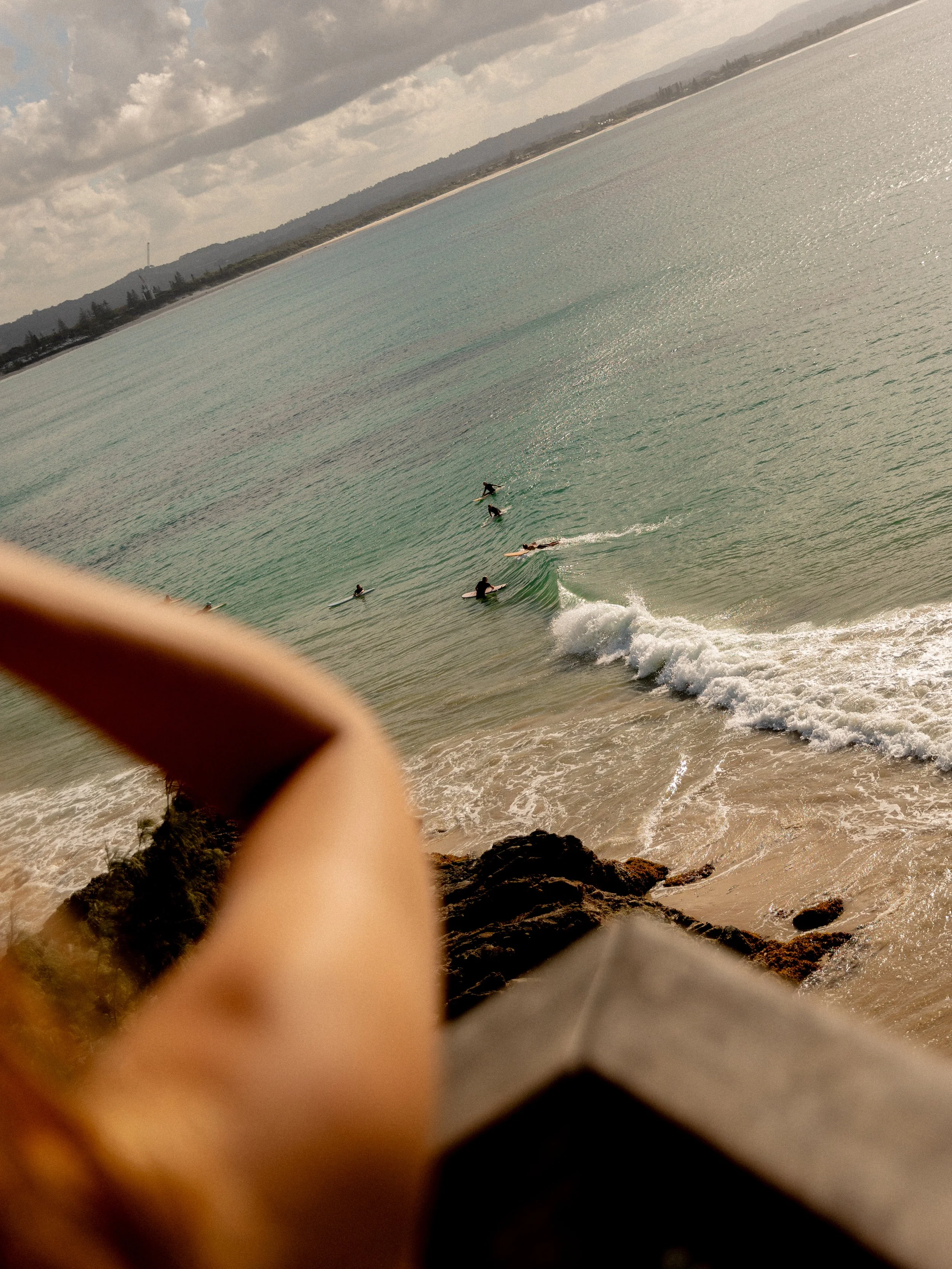
Cape Byron Lighthouse remains the standout spot, with its headland offering sweeping views in both directions - arrive early morning or late afternoon, when the light is softer and the water calmer, for the best chance of a sighting. The Pass and Wategos Beach are also worth a wander, especially if you prefer watching from sea level rather than above it.

Take It Out to Sea
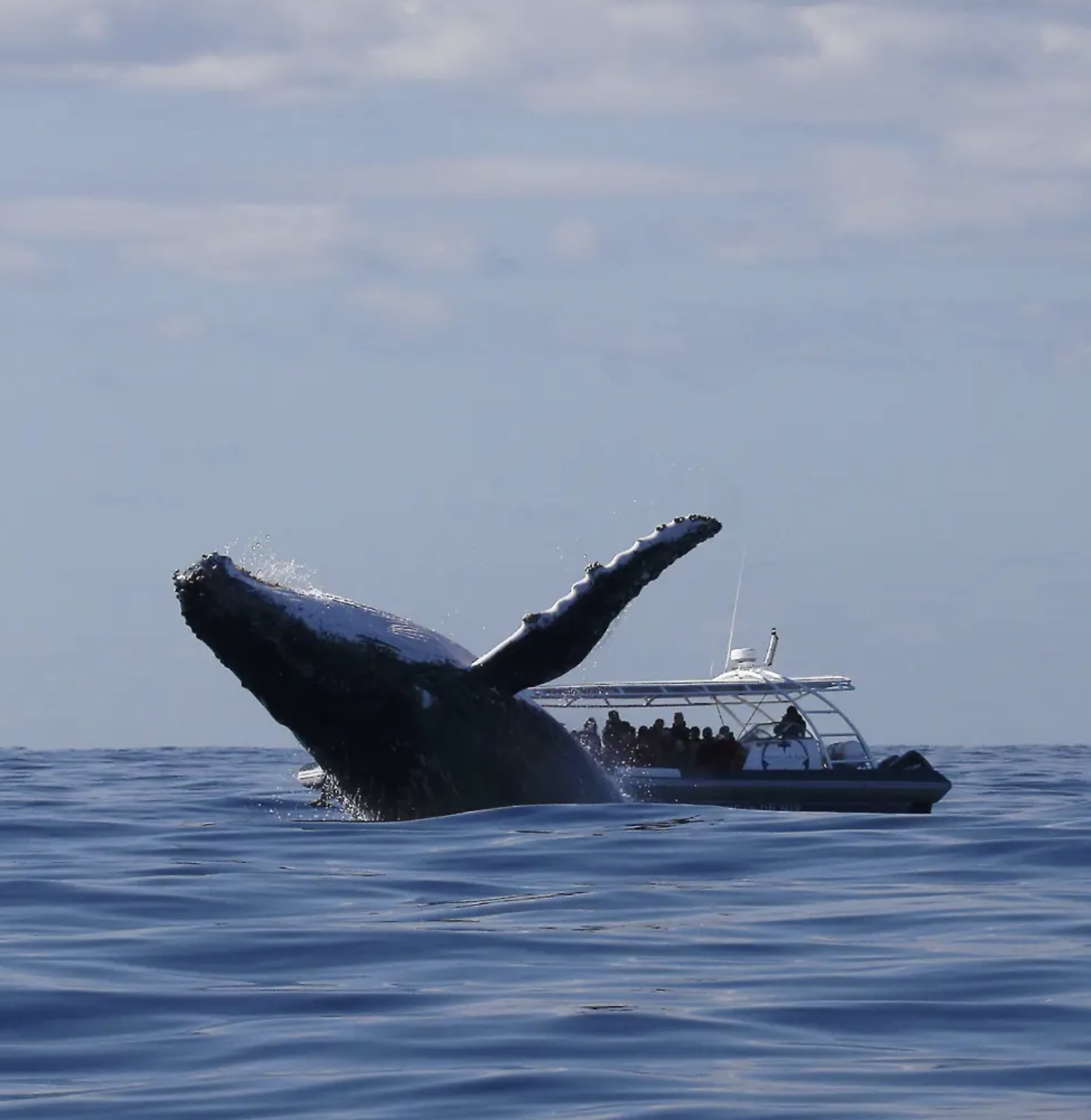
For a closer look, Out of the Blue Adventures run whale watching cruises right from Byron Bay, putting you in the water's path rather than just watching from shore. As a Hide guest, you'll get 10% off your trip with them.
A Few Tips
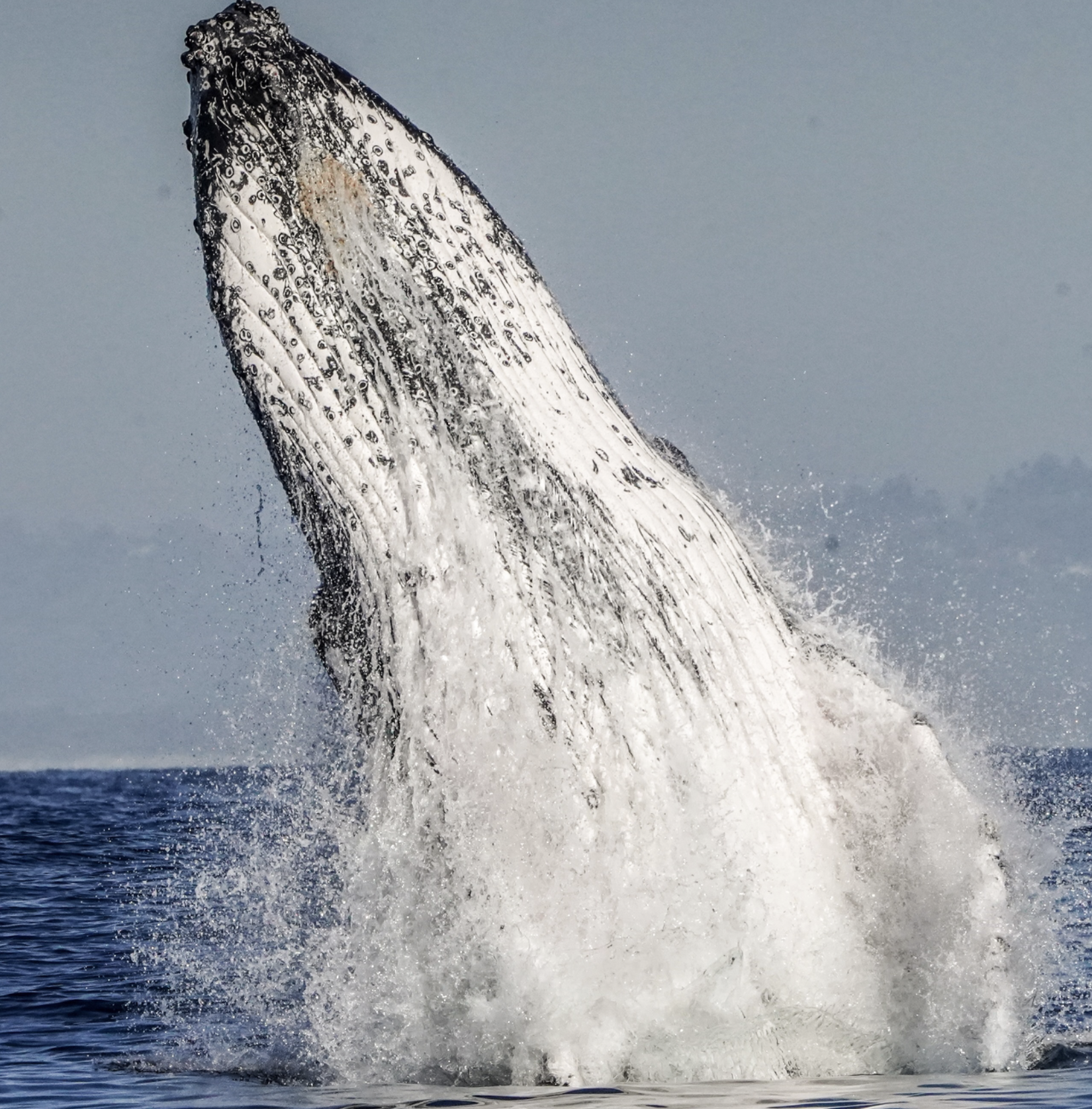
Bring binoculars if you have them, but it's not essential - many sightings happen close enough to see with the naked eye. Mornings tend to be calmer and clearer, and whales are most active (breaching, tail-slapping) in the hours after sunrise.
Back at Hide, the Wellness Bathhouse makes for the perfect way to warm up after a cool morning on the headland, a soak in the mineral pool, a reset in the infrared sauna, and nowhere else to be.